بواسطة راؤول | 19 يوليو 2026 | اللغة الإنجليزية فوق المتوسط B2 فوق المتوسط
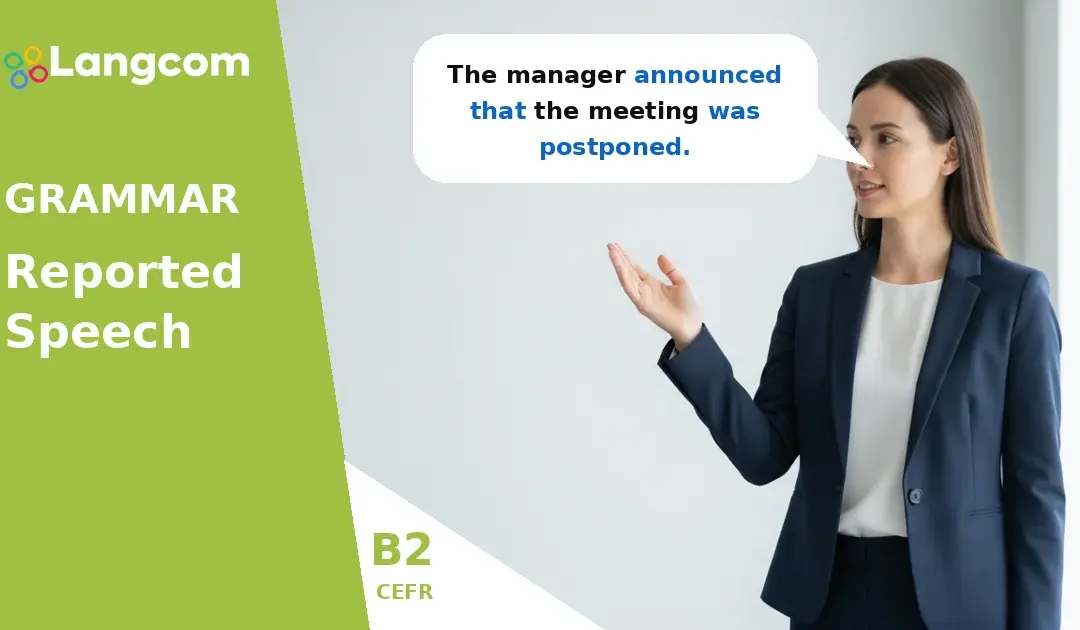
Reporting verbs help us share what someone said or thought, but they follow different grammar patterns in English. Mastering these patterns is crucial for clear and natural communication at a B2 level. These verbs, like say, tell, suggest, or admit, introduce reported...

بواسطة راؤول | 19 يوليو 2026 | اللغة الإنجليزية فوق المتوسط B2 فوق المتوسط
Relative clauses add important details to sentences, helping you describe people, things, places, or times more clearly. They connect two ideas into one smoother sentence. There are two main types: defining and non-defining. Defining relative clauses provide essential...
بواسطة راؤول | 19 يوليو 2026 | اللغة الإنجليزية فوق المتوسط B2 فوق المتوسط
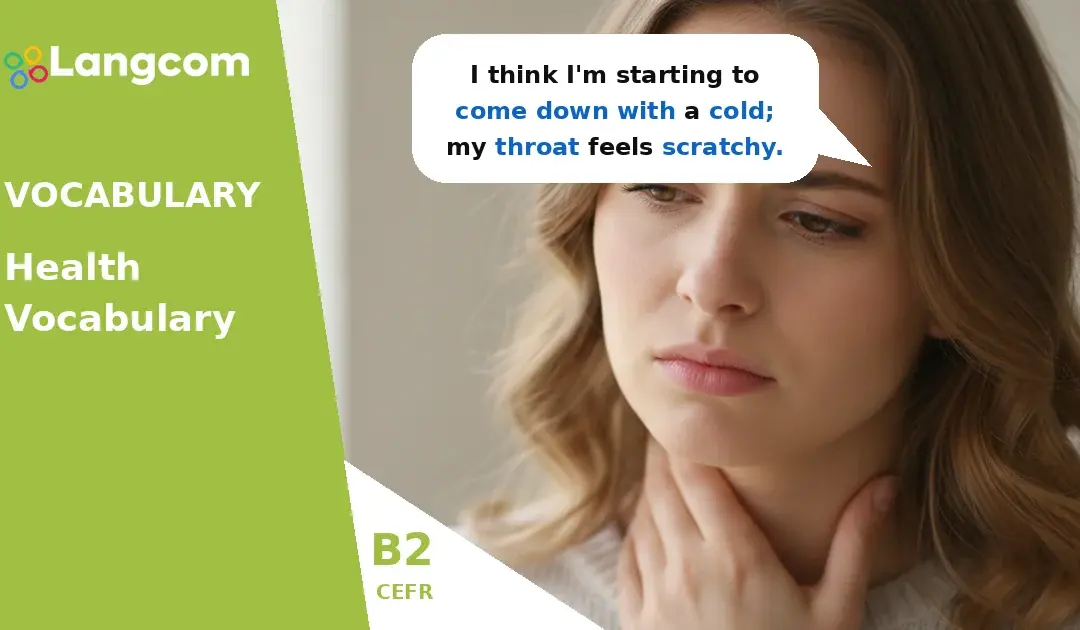
To talk about health in English, you need specific vocabulary for illnesses, injuries, and symptoms. Mastering words like come down with (to get sick), strain (to injure a muscle), faint (to lose consciousness), bruise (a mark on the skin), and dizzy (feeling...
بواسطة راؤول | 19 يوليو 2026 | A1: اللغة الإنجليزية للمبتدئين
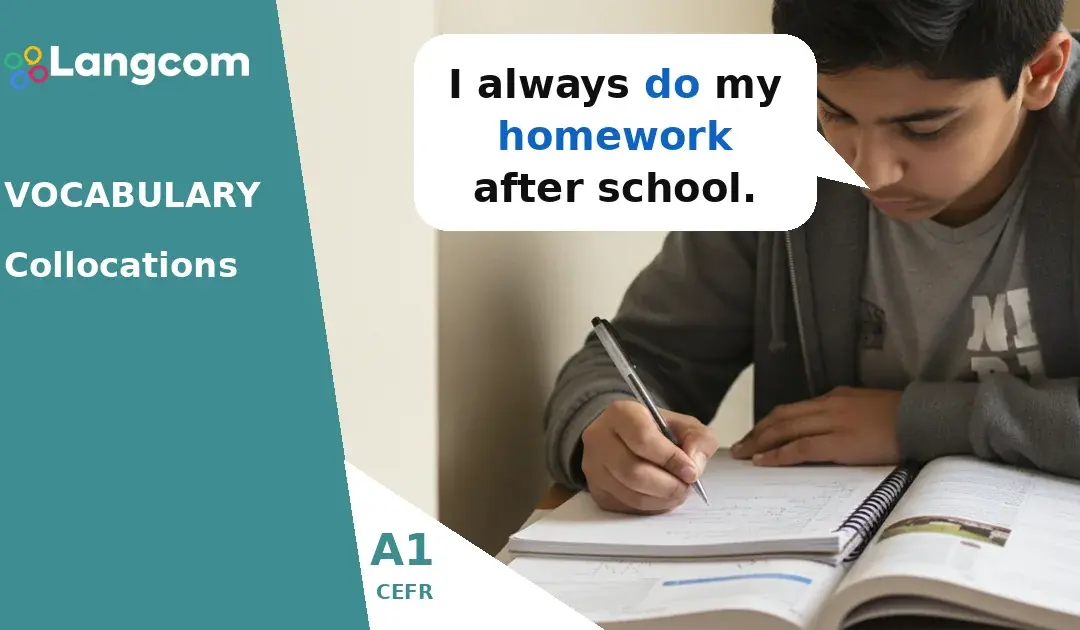
Collocations are words that naturally go together in English. Learning collocations helps your English sound more natural and fluent, just like a native speaker. Instead of saying words separately, collocations are like ready-made phrases. For example, we say do...

بواسطة راؤول | 19 يوليو 2026 | A1: اللغة الإنجليزية للمبتدئين
We use be going to questions to ask about future plans and intentions. This is how we ask about things we have already decided to do. For example, if you want to know a friend’s plans for the weekend, you can ask, What are you going to do this weekend? This...

بواسطة راؤول | 19 يوليو 2026 | A1: اللغة الإنجليزية للمبتدئين
To make a negative sentence with be going to, you put not after the verb be. This structure helps you talk about future plans or predictions that will not happen. For example, I am not going to travel next year means you have no plan to travel. The full form is...
