by Raúl | Jul 22, 2026 | A2 Basic English
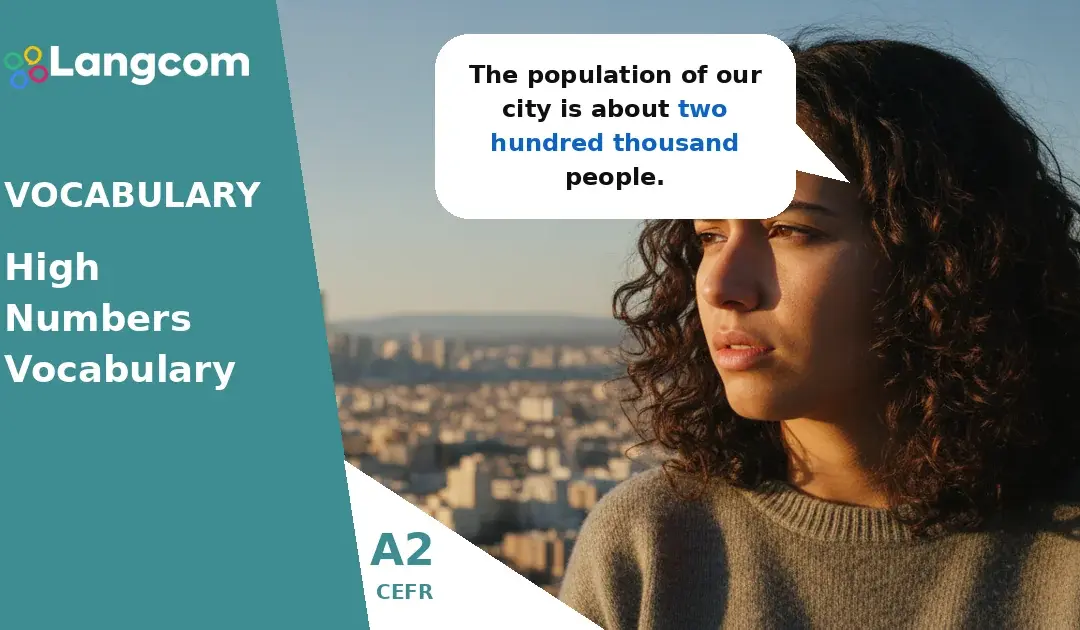
To say high numbers in English, you combine words like hundred, thousand, million, and billion. These words describe large quantities. Remember a key rule: these number words do not become plural (do not add -s) when they follow a specific number. For example, you say...

by Raúl | Jul 22, 2026 | A2 Basic English
Superlative adjectives help us compare three or more things and say which one is at the top or bottom of a group. They tell us which thing has ‘the most’ of a quality or ‘the least’ of a quality. For example, we use them to say This is the...

by Raúl | Jul 22, 2026 | A2 Basic English
IT collocations are common word pairs that help you talk naturally about computers and the internet. These are verbs and nouns that often go together, like check emails or download a file. Learning them helps you sound more like a native speaker and understand...

by Raúl | Jul 22, 2026 | A2 Basic English
Comparative adjectives help us compare two things or people, showing how they are different. We use them to say one thing has more of a quality or less of a quality than another. For example, you might say A lion is stronger than a cat, or This book is more...
by Raúl | Jul 22, 2026 | A2 Basic English
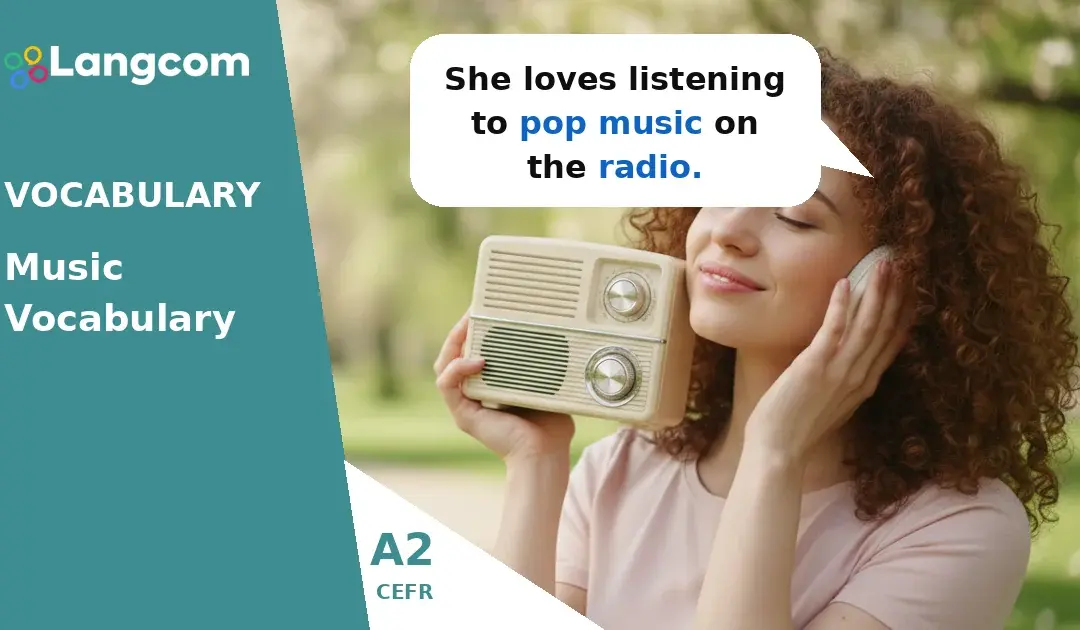
Learning music vocabulary helps you talk about your favorite songs and artists in English. This lesson teaches you words for different kinds of music, such as pop, rock, and jazz. You will also learn words for people who make music or dance, like a singer, a musician,...

by Raúl | Jul 22, 2026 | A2 Basic English
To make negative sentences and questions in the Present Perfect, you always use the auxiliary verb have or has with the past participle of the main verb. For negatives, place not after have/has, like in I haven’t finished my homework. For questions, put Have/Has...
