
par Raúl | Juil 22, 2026 | Anglais de base A2
Irregular past participles are special forms of verbs that do not follow the normal rule of adding -ed to the base form. These verbs are essential for forming several important grammatical structures in English, such as the Present Perfect tense (e.g., I have eaten),...

par Raúl | Juil 22, 2026 | Anglais de base A2
The Present Perfect positive tense helps you talk about actions that started in the past and are connected to the present moment, or experiences you have had. We use it when the exact time of the action is not important or not known. Think of it as a bridge between...

par Raúl | Juil 21, 2026 | Anglais de base A2
The main difference between the Present Perfect and the Past Simple is about time. We use the Past Simple for actions that started and finished in the past at a specific time. The action is completely over. For example, I visited Paris last year. The visit is...
par Raúl | Juil 20, 2026 | Anglais de base A2
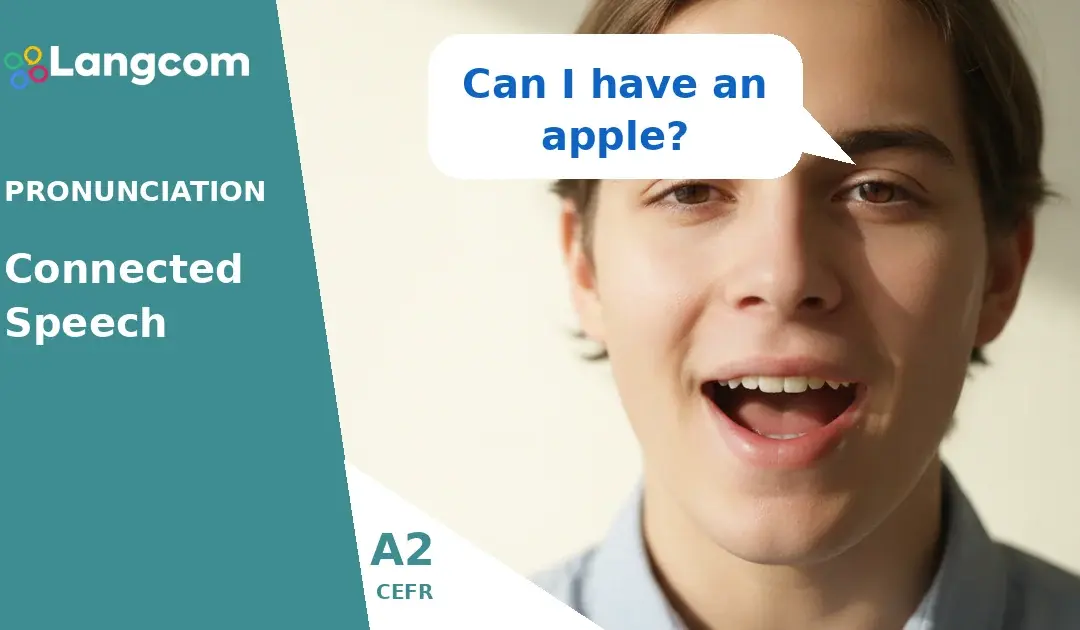
When you speak English naturally, words often join together. This is called connected speech. It happens especially when a word ends with a consonant sound and the next word starts with a vowel sound. Instead of a pause, the sounds link, making your speech smoother...

par Raúl | Juil 20, 2026 | Anglais de base A2
Clothes vocabulary helps you talk about what people wear every day and for special events. Knowing these words is very useful for many situations. You can describe your own outfit, talk about what your friends are wearing, or understand descriptions when you go...
par Raúl | Juil 20, 2026 | Anglais de base A2
The Present Simple talks about habits, routines, and facts. The Present Continuous talks about actions happening right now or temporary situations. Understanding this key difference is essential for A2 English learners to communicate clearly. For example, you use the...
