от Рауль | Июл 17, 2026 | A2 Базовый английский
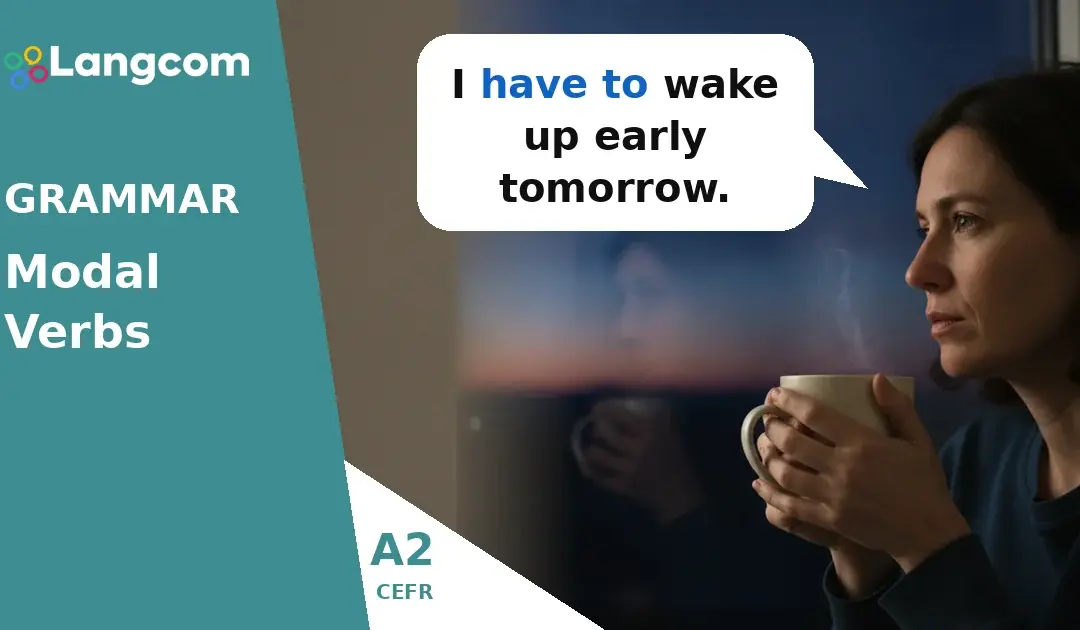
Have to shows that something is necessary or an obligation, often because of a rule or situation. For example, I have to work today means working is necessary for me. It is similar to must, but have to often refers to external rules or duties. On the other hand,...
от Рауль | Июл 17, 2026 | A2 Базовый английский
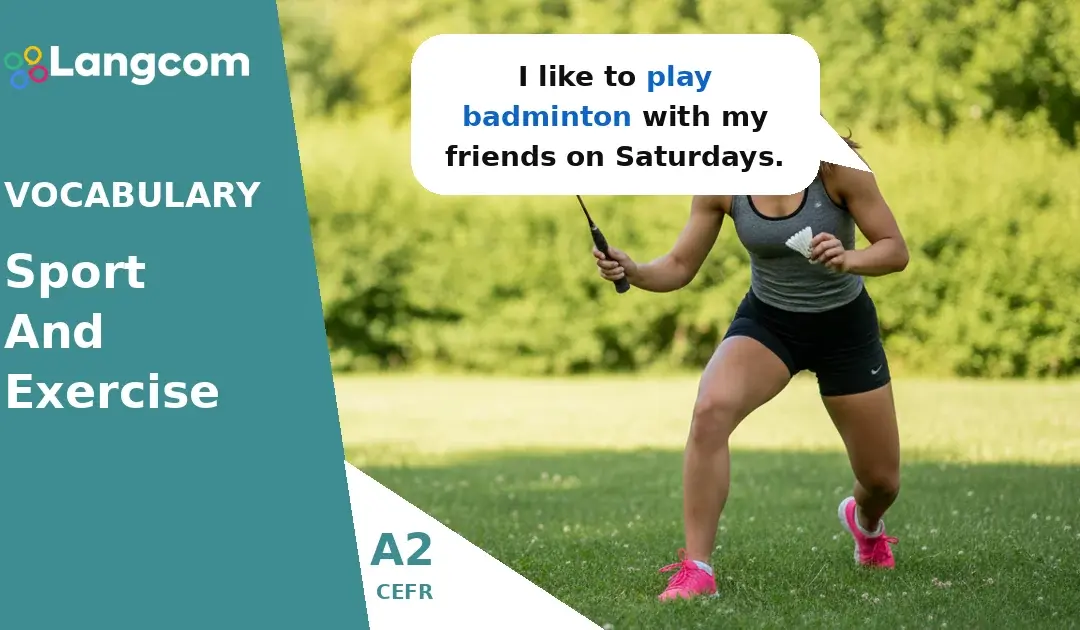
To talk about sports and exercise in English, we use specific verbs like play, do, and go. These verbs combine with different activities. We use play for team sports or games with a ball, like play badminton or play football. For individual exercises, martial arts, or...
от Рауль | Июл 17, 2026 | A2 Базовый английский
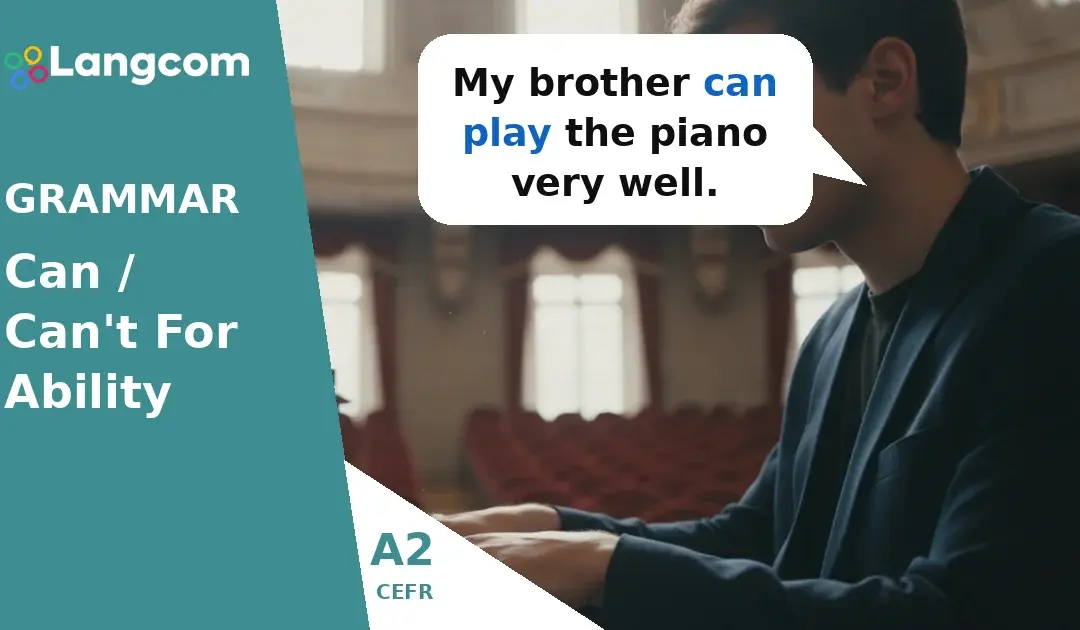
We use can and can’t to talk about abilities in the present. Can means you know how to do something or you are able to do it. Can’t (or cannot) means you do not know how to do something or you are not able to do it. These are modal verbs, so they do not...

от Рауль | Июл 16, 2026 | A2 Базовый английский
To ask questions about completed actions in the past, you need the auxiliary verb did. This is the most important rule for Past Simple questions in English. We use did with all subjects (I, you, he, she, it, we, they). After did and the subject, the main verb always...

от Рауль | Июл 16, 2026 | A2 Базовый английский
To make a sentence negative in the past simple, you use the auxiliary verb did with not, followed by the base form of the main verb. This means the main verb does not change its form. The most common way to say this is using the contraction didn’t. For example,...
от Рауль | Июл 16, 2026 | A2 Базовый английский
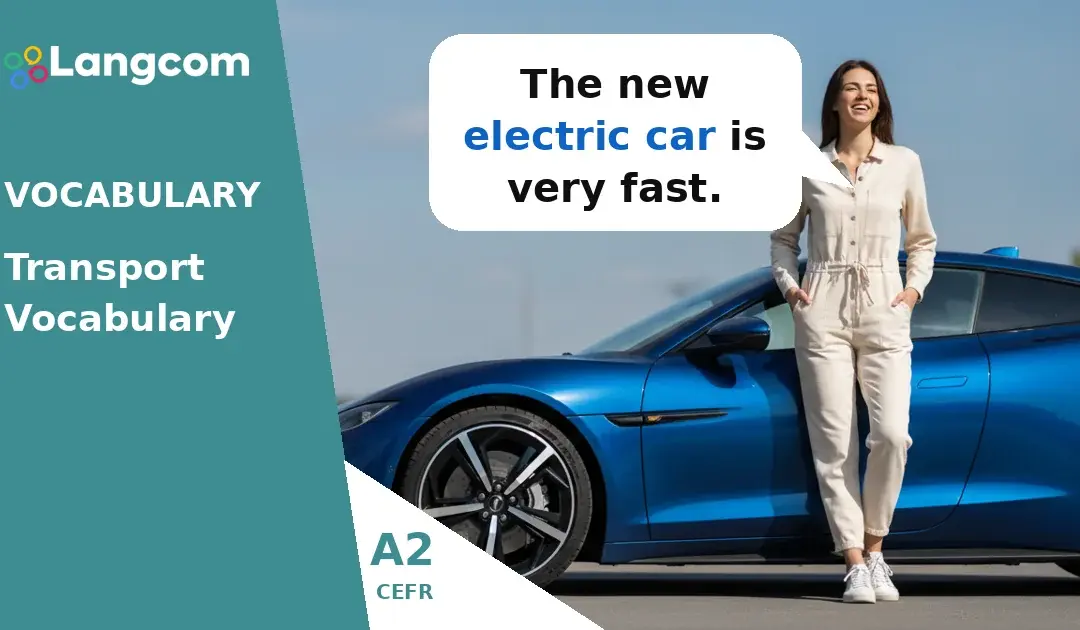
Adjectives help us describe things, including different types of transport. When you talk about a car, a bus, or a train, you can use adjectives to explain how it feels, how it moves, or its condition. For example, you can say a train is fast or a bus is crowded....
